

DC/DC converters for AGVs, AMRs and mobile robotics
DC/DC converters for automated guided vehicles, autonomous mobile robots and cobots reliably supply control systems, sensors, cameras, communication units and other onboard loads with stable voltage. Our compact power supply solutions compensate for fluctuating battery voltages, enable buck-boost operation and can be adapted to different power requirements of automated vehicles and robotic systems.
Stable Power Supply for Autonomous Systems
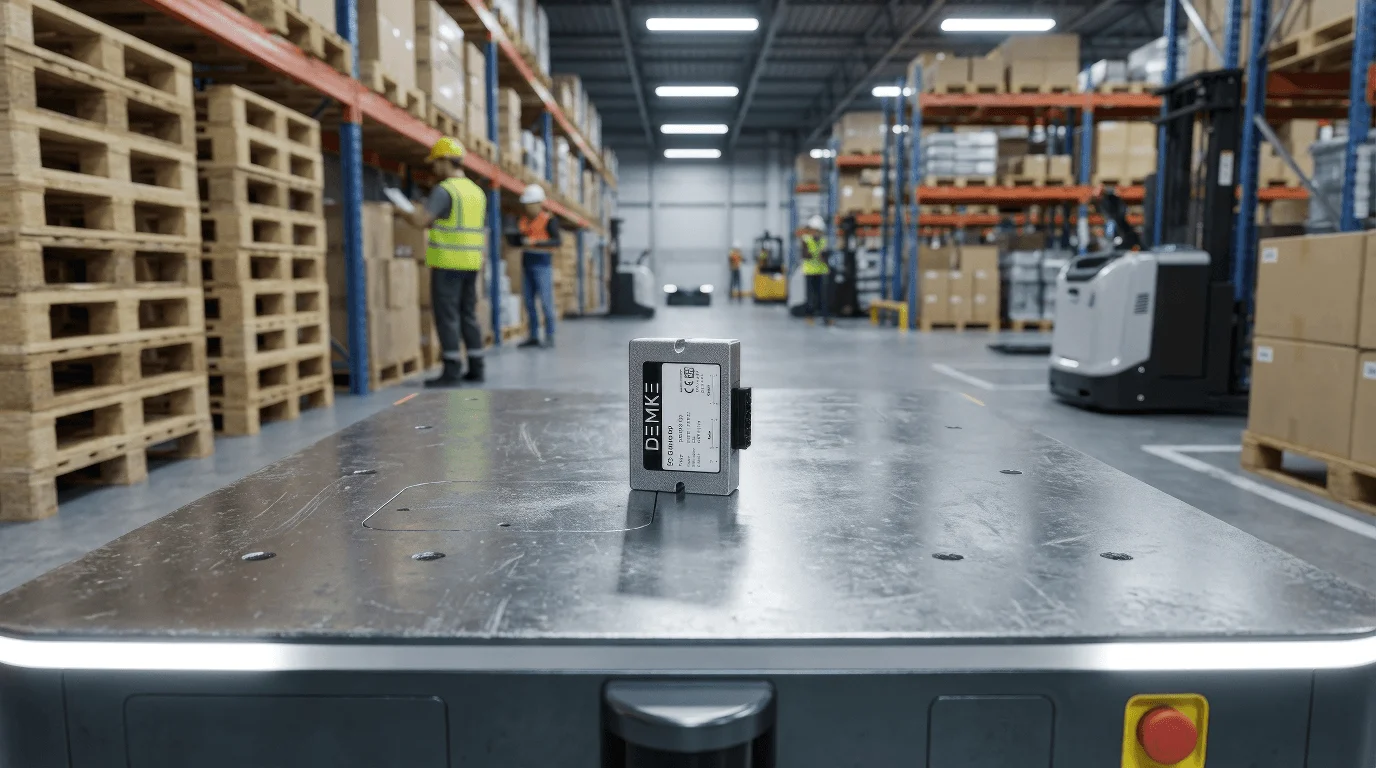
Automated guided vehicles (AGVs) and autonomous mobile robots (AMRs) must handle material flows in warehouse and production environments reliably and with as few interruptions as possible. Their control systems, sensors, safety components and communication systems require a constant supply voltage, even when the battery voltage changes significantly during operation and throughout the charging cycle.
At the same time, installation space and weight are limited in mobile systems. The DC/DC converter used must therefore be compact, efficient and mechanically robust. Depending on the vehicle platform, it must support different battery systems, handle short-term power peaks or be scalable to higher power levels through parallel operation.
This is exactly where our DC/DC converters come in: they stabilize the onboard supply voltage, reduce conversion losses and, with wide input voltage ranges, enable a standardized power supply solution for different vehicle and robotics platforms.
Stable 24 V Power Supply in an AGV with WLAN Control System
A customer develops automated guided vehicles for material handling in automotive production. The shuttles transport complete vehicle chassis, among other loads, and are controlled via a WLAN-based control system.
Lithium-ion batteries are used as the energy source and can be recharged within a short period of time. During operation, however, the battery voltage varies. At the same time, the connected control and communication electronics require a stable 24 VDC supply.
The 257E-24-SD DC/DC converter is used for this application. Its buck-boost topology provides a regulated 24 VDC output voltage even when the input voltage temporarily falls below the required output voltage.
With a step-down converter, the output voltage can no longer be maintained at a stable level once the input voltage drops too far. A buck-boost converter, on the other hand, can handle both higher and lower input voltages and generate a constant output voltage from them.
This is particularly relevant for battery-powered systems, as the battery voltage depends on the state of charge, load and operating conditions of the vehicle.
The 257E-24-SD reliably provides the required 24 V supply even when the battery voltage fluctuates. Its high efficiency reduces power losses and helps to make efficient use of the available battery capacity.
The compact design facilitates integration into the shuttle, while the robust construction is designed for continuous operation in automated production and logistics processes.
One DC/DC Converter for 24 V and 48 V Vehicle Platforms
A developer and manufacturer of automated transport systems uses various types of battery-powered vehicles. Depending on the platform, either a 24 VDC or 48 VDC input voltage must be regulated to a stable 24 VDC onboard supply voltage.
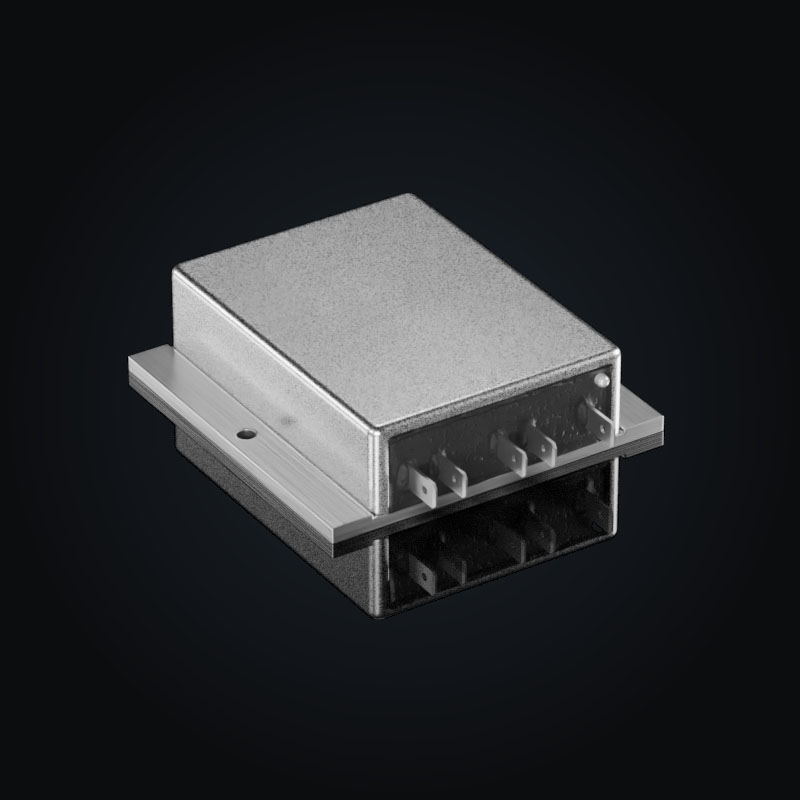
Instead of using different devices for the two vehicle variants, the 256E-24-SD DC/DC converter is used. Its wide input voltage range from 15 VDC to 70 VDC allows it to be used on both platforms with a single converter solution.
An integrated decoupling diode prevents unwanted reverse current or discharge of the battery through the converter input.
The wide input voltage range reduces the number of different device variants. This simplifies development, procurement, inventory management, maintenance and spare parts management.
Scalable Power Through Parallel Operation
Parallel operation also allows the power to be adapted to different vehicle classes. This creates a scalable power supply solution for multiple automated transport systems.

Compact Power Supply for Cobots and Humanoid Robotics
Cobots and humanoid robots contain numerous electrical loads with different voltage and power requirements. These include control computers, motor controllers, sensors, cameras, communication modules, displays and safety-critical components.
The power supply in these systems must be particularly compact and efficient. Any unnecessary power loss generates heat, drains the battery and makes thermal design more challenging. At the same time, power requirements vary depending on the robot’s movement, load conditions and operating mode.
DC/DC converters within the robot platform convert the central battery voltage into the required supply voltages. Depending on the application, wide input voltage ranges, galvanic isolation, buck-boost operation, CC/CV control or parallel-connected converter modules may be required.
Our compact and adaptable DC/DC converters enable decentralized or centralized power supply solutions for mobile robots, cobots and humanoid systems. Output voltage, power, connections and electrical characteristics can be configured to meet the requirements of the respective platform.

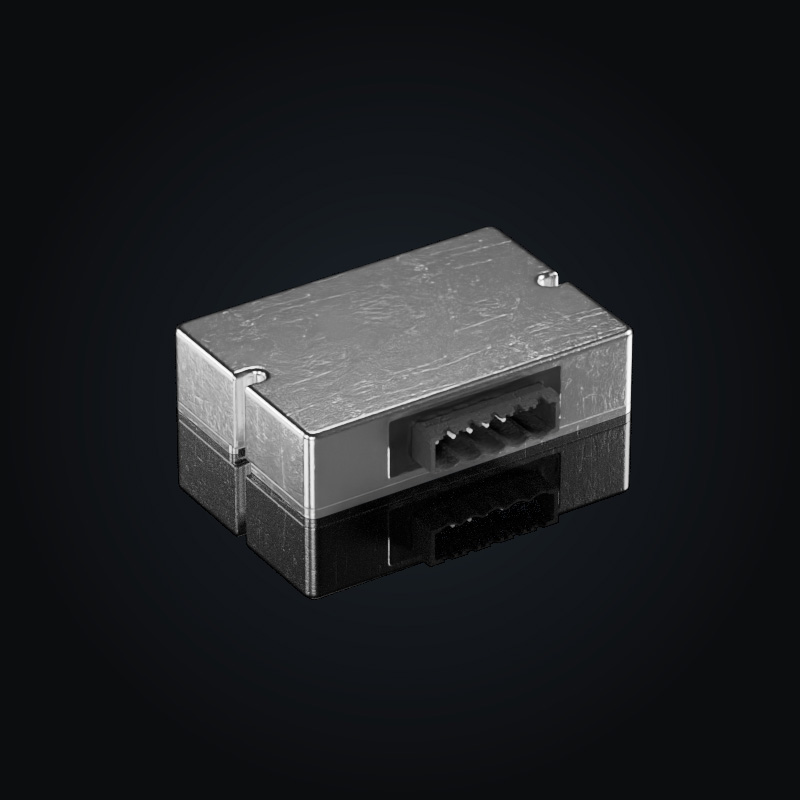
The Right DC/DC Converter for Your AGV or Robotics System
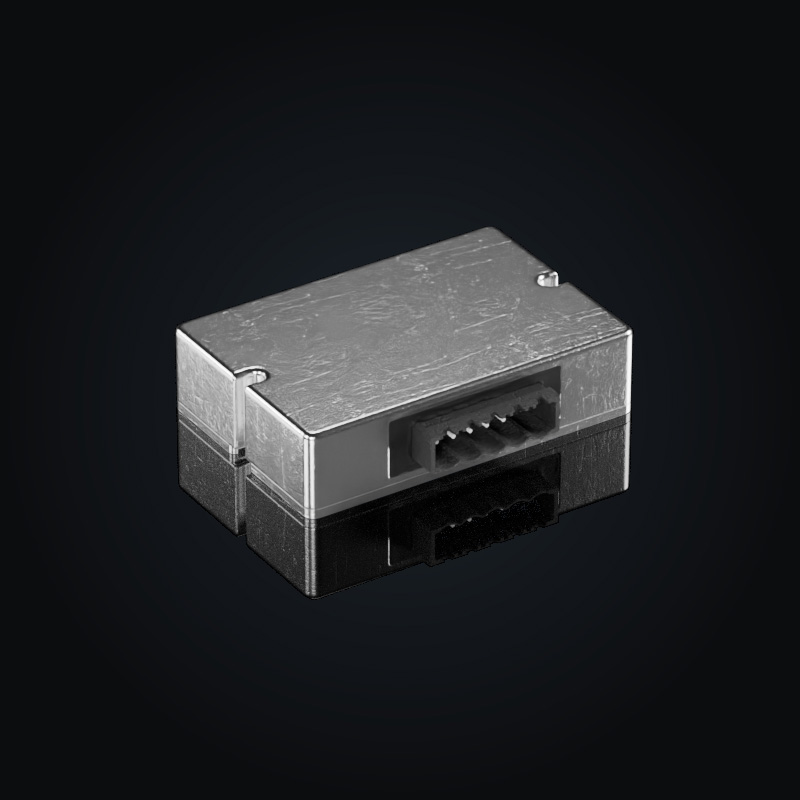
Every automated guided vehicle and robotic platform has different requirements for battery voltage, output voltage, power, installation space, cooling and galvanic isolation. We assess your application and show you whether an existing DC/DC converter is suitable, an existing platform can be adapted or a custom development is the right solution.
FAQs
Have questions? We have answers!
Why are buck-boost converters particularly suitable for AGVs and AMRs?
The battery voltage of an AGV or AMR varies depending on the state of charge and load and may be either above or below the required supply voltage. Buck-boost converters can both step down and step up the input voltage, providing a stable output voltage for control systems, sensors and communication systems.
Can a DC/DC converter be used for different battery platforms?
Yes. DC/DC converters with a wide input voltage range can support different battery systems with a single converter solution. This reduces the number of device variants required, simplifying development, procurement, inventory management, maintenance and spare parts management.
What voltage do control systems, sensors and communication systems require in an AGV?
In many AGVs and mobile robotic systems, control systems, sensors and communication systems are supplied with 24 VDC. However, the actual voltage required depends on the components used and the specific vehicle platform. A DC/DC converter provides the required stable supply voltage from the available battery voltage.
Can higher power levels be achieved through parallel operation?
Yes. DC/DC converters designed for parallel operation can be connected in parallel to increase the available output power. This allows the power supply to be adapted to different power classes of AGVs and robotic systems without requiring a separate converter solution for each vehicle platform.
What are the benefits of high efficiency in battery-powered AGVs and robots?
High efficiency reduces energy losses during voltage conversion. This results in less waste heat and allows the available battery capacity to be used more efficiently. This is particularly important in mobile systems, where energy consumption, cooling and available installation space play an important role.
Are Demke DC/DC converters also suitable for cobots and humanoid robots?
Yes. Compact DC/DC converters can provide different voltage levels for control systems, sensors, actuators and communication systems in cobots and humanoid robotic systems. Depending on the platform, input voltage, output voltage, power, connections and control characteristics can be adapted to the specific requirements.
Can DC/DC converters be adapted to custom robotics platforms?
Yes. If a standard product does not fully meet the requirements of a robotics platform, parameters such as input voltage, output voltage, power, control characteristics, connections and mechanical design can be adapted. Depending on the project, the solution can range from modifying an existing device to a fully custom development.
More questions? Check our FAQ or glossary for further information, or contact us.